All Frenchie questions
Browse our question library. Choose a category or search for what’s on your mind.
215 questions

Can my Frenchie eat carrots?
Yes. Plain carrot, cut into manageable pieces, can be an occasional treat for most French bulldogs.
Read the answer
Can my Frenchie eat strawberries?
Yes. Fresh strawberries can be offered in small, chopped portions as an occasional treat.
Read the answer
Can my Frenchie eat bananas?
Yes. A little peeled, chopped banana can be an occasional treat for a French bulldog.
Read the answer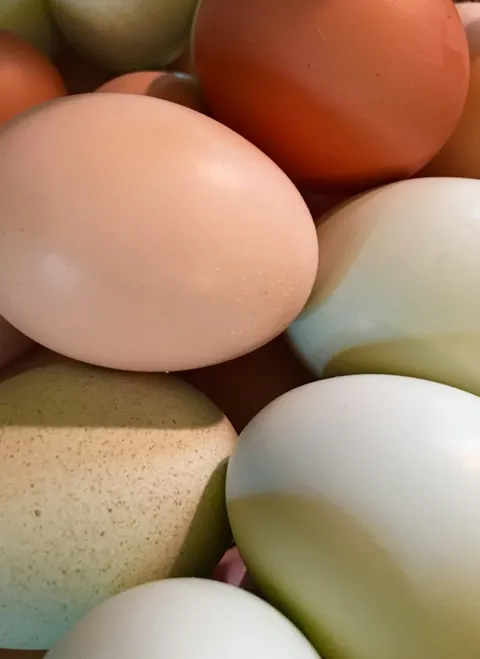
Can my Frenchie eat eggs?
Yes. A small amount of fully cooked, plain egg can be an occasional treat for many dogs.
Read the answer
Can my Frenchie swim?
Do not assume your Frenchie can swim safely. Short-nosed dogs can find swimming especially hard work; shallow, supervised paddling is a more cautious starting point.
Read the answer
Why does my Frenchie snore?
Snoring can indicate restricted airflow. In a French bulldog, it deserves veterinary attention rather than being dismissed as a breed quirk.
Read the answer
How often should I wash my Frenchie?
There is no fixed bath schedule for every Frenchie. Wash when needed, and follow your vet’s schedule if they are treating a skin condition.
Read the answer
How do I clean my Frenchie’s wrinkles?
Check the folds regularly, clean them gently using the method your vet advises, and dry them thoroughly afterwards.
Read the answer
Can my Frenchie be left alone?
Many dogs can learn to feel comfortable alone for short periods. How long is appropriate depends on the individual, their age, health and training.
Read the answer
Why does my Frenchie follow me everywhere?
Dogs often follow people for company, attention or something they want. Following can also reflect uncertainty or anxiety, particularly if it is new or intense.
Read the answer
Why does my Frenchie lick their paws?
Paw licking can have several causes, including itchy skin, parasites, pain, stress or boredom. Persistent licking needs a vet check, not a guessed diagnosis.
Read the answer
How much do Frenchies sleep?
Sleep needs vary. PDSA suggests many dogs need around 14–16 hours or more across 24 hours, with puppies, older dogs and unwell dogs often needing more.
Read the answer
Can my Frenchie live with a baby?
A Frenchie and a baby may share a home, but safety depends on careful management, preparation and active adult supervision. Breed or previous gentleness cannot guarantee safety.
Read the answer
How do I measure my Frenchie for a harness?
Measure your dog for the exact harness model you are considering. Chest circumference is commonly needed; follow that model’s instructions for any neck or other measurements.
Read the answer
What should I prepare before bringing a Frenchie home?
Prepare a safe space, familiar food, basic equipment and a care plan before collection. Arrange veterinary support and time to help your dog settle.
Read the answer
Can my Frenchie eat apples?
Yes, in small pieces after removing the core and seeds. Large chunks can be a choking risk. Apple is an occasional extra, rather than a replacement for balanced dog food.
Read the answer
Can my Frenchie eat watermelon?
A little seedless watermelon flesh can be offered as a treat. Remove all rind and seeds, then cut it into small manageable pieces. A fruit snack does not replace access to fresh drinking water.
Read the answer
Can my Frenchie eat pears?
Yes. Remove the seeds and core and offer a little flesh in bite-sized pieces. Keep it occasional: fruit adds sugar and is not needed to complete an already balanced dog-food diet.
Read the answer
Can my Frenchie eat peaches?
A little fresh peach flesh is suitable for many dogs. Remove the stone completely before serving, and cut the flesh small. Choose fresh fruit rather than sweetened tinned peaches.
Read the answer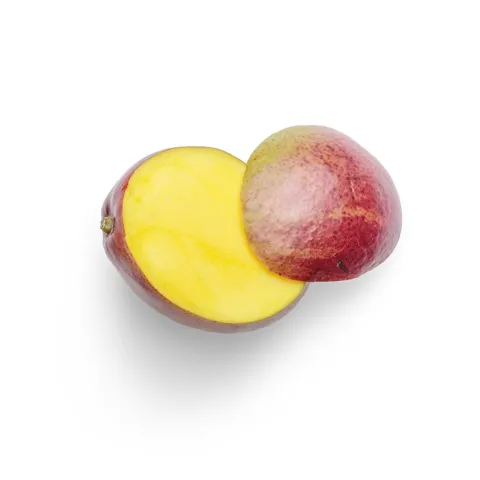
Can my Frenchie eat mango?
Yes, a small amount of peeled mango flesh can be a treat. Remove the hard stone and skin first and cut it into manageable pieces. Keep this sweet fruit occasional.
Read the answer
Can my Frenchie eat blueberries?
Yes, but keep portions small and occasional. Mash them for a dog that gulps or might choke on whole berries. Blueberry muffins and other sweetened foods are not equivalent to plain fruit. Ask your vet first if your dog has dietary sensitivities.
Read the answer
Can my Frenchie eat cucumber?
Plain cucumber can be an occasional snack. Wash it and cut it into thin, manageable pieces; avoid large chunks that could be swallowed whole. Start with a small amount, as too much can upset digestion.
Read the answer
Can my Frenchie eat pickles?
Avoid pickled cucumber. Pickling mixtures can contain lots of salt and ingredients such as garlic that are unsafe for dogs. If you want to offer cucumber, choose a small amount of washed, plain fresh cucumber instead.
Read the answer
Can my Frenchie eat potatoes?
A small amount of plain, fully cooked, peeled potato may be suitable. Avoid raw, green or sprouted potatoes and seasoned dishes. Ask your vet before offering potato to a diabetic dog; ordinary human servings are not appropriate treat portions.
Read the answerCan my Frenchie eat cheese?
Some dogs tolerate a tiny amount of plain cheese as a training reward. It is calorie-dense and can upset dogs with dairy intolerance. Avoid varieties containing onions, garlic, fruit or nuts, and check with your vet if your dog has dietary restrictions.
Read the answerCan my Frenchie eat cottage cheese?
A little plain cottage cheese can be an occasional treat for a dog that tolerates dairy. It is often lower in fat and salt than other cheeses, but still is not a necessary addition to complete food. Avoid flavoured versions.
Read the answerCan my Frenchie eat blue cheese?
No. The mould used in blue cheese can produce roquefortine C, which may make dogs ill. Keep Stilton and similar cheeses out of reach. Contact your vet promptly after ingestion, particularly if vomiting, diarrhoea, tremors or other illness develops.
Read the answerCan my Frenchie eat yoghurt?
Yoghurt is not needed in a balanced diet, and dairy can cause digestive upset in dogs that cannot tolerate lactose. Some products also contain unsafe sweeteners or other additions. Do not use yoghurt to treat a digestive problem; discuss suitable options with your vet.
Read the answerCan my Frenchie eat peanut butter?
Only consider a little plain peanut butter after checking every ingredient. Never give a product containing xylitol. Peanut butter is calorie-dense, so keep it occasional and ask your vet about suitability if your dog is overweight or has dietary restrictions.
Read the answerCan my Frenchie eat peanuts?
A few plain, unsalted, shelled peanuts may be suitable for some dogs, but they are not necessary treats. Crush them to reduce the risk from whole nuts; avoid flavoured or chocolate-coated products. Consider household allergies before using nuts around your dog.
Read the answerCan my Frenchie eat grapes?
No. Grapes can cause serious poisoning and kidney injury, even after a small amount. Previous uneventful ingestion does not prove safety. Contact your vet immediately if your dog eats grapes; do not wait for symptoms.
Read the answerCan my Frenchie eat raisins?
No. Raisins, sultanas and currants can poison dogs. Keep dried fruit and foods containing it out of reach. Call your vet immediately after suspected ingestion, even if your dog seems well and the amount looked small.
Read the answerCan my Frenchie eat hot cross buns?
Do not offer them: many contain raisins, sultanas or currants, which can poison dogs. Contact your vet immediately if your Frenchie eats a bun containing these fruits. Keep the packet so the ingredients and likely quantity can be checked.
Read the answerCan my Frenchie eat chocolate?
No. Chocolate contains theobromine, which is toxic to dogs. If your dog eats any, keep the packaging and contact your vet immediately with the type, amount and time eaten. Do not wait for signs of illness or try to make your dog vomit.
Read the answerIs white chocolate safe for my Frenchie?
White chocolate is still an unsuitable treat. Although it lacks the cocoa solids responsible for theobromine poisoning, its fat and sugar can cause illness. After accidental ingestion, ask your vet for advice rather than assuming that a different chocolate colour means no risk.
Read the answerCan my Frenchie eat onions?
No. Raw, cooked and dried onions can damage a dog’s red blood cells. Illness may be delayed. Contact your vet after suspected ingestion, including food containing onion.
Read the answerCan my Frenchie eat garlic?
No. Garlic belongs to the toxic onion family; cooking does not make it a suitable dog-food addition. Ask your vet promptly about accidental ingestion.
Read the answerCan my Frenchie eat macadamia nuts?
No. Macadamias can affect dogs’ muscles and nervous system. Keep them and foods containing them out of reach, and contact your vet promptly if eaten.
Read the answerIs xylitol dangerous for my Frenchie?
Yes. This sweetener can cause dangerous low blood sugar and liver problems. Check sugar-free products and nut butters carefully. Suspected ingestion needs immediate veterinary advice.
Read the answerCan my Frenchie eat corn on the cob?
Do not offer the cob: it can block the intestine. If your dog swallows any cob, contact your vet promptly rather than waiting for vomiting or other symptoms.
Read the answerCan my Frenchie eat cooked bones?
No. Cooked bones can splinter, injure the digestive tract or cause a blockage. Do not offer leftovers containing bones. If your dog swallows a bone, call your vet for advice rather than attempting a home remedy.
Read the answerAre raw bones safer for my Frenchie?
Raw bones still carry risks, including broken teeth, obstruction and internal injury. PDSA recommends avoiding bones whether raw or cooked. Ask your vet about suitable alternatives for chewing and dental care instead of assuming an uncooked bone is safe.
Read the answerShould my Frenchie eat a raw diet?
Raw feeding introduces infection and cross-contamination risks for dogs and people. Discuss it with your vet before switching, especially in homes with vulnerable people. A complete, suitable diet matters more than a claim that a food is natural.
Read the answerWhat does complete dog food mean?
A food labelled complete is designed to meet the dog’s nutritional needs when fed as directed for the appropriate life stage. Check that the label is for dogs and for your dog’s age. The word complementary means something different.
Read the answerCan complementary food be my Frenchie’s whole diet?
Not on its own. Complementary food is intended to be used alongside other food, rather than supplying every required nutrient by itself. Check the feeding instructions and ask your veterinary team how a particular product fits into a balanced diet.
Read the answerCan my Frenchie have a vegan diet?
It may be possible to formulate a suitable complete plant-based diet, but getting the nutrient balance right matters. Speak to your vet before switching and arrange ongoing monitoring. A homemade mix of vegetables is not equivalent to a properly formulated complete diet.
Read the answerShould my Frenchie have wet or dry food?
Either can be suitable if it is a complete food for the correct life stage and suits your individual dog. Consider preference, health and feeding instructions rather than choosing by appearance alone. Your veterinary team can help if a health condition affects the choice.
Read the answerHow often should an adult Frenchie eat?
Dogs Trust generally recommends two meals a day for adult dogs. Divide the appropriate daily allowance between meals rather than doubling it. Puppies and dogs with medical needs may need a different schedule; ask your vet about individual requirements.
Read the answerShould I leave food out all day for my Frenchie?
For most dogs, Dogs Trust advises against leaving food out all day because it can spoil. Offer measured meals and ask your vet if your dog is not eating at mealtimes. Fresh drinking water should remain available.
Read the answerWhen can my Frenchie puppy move to adult food?
Move when growth is complete, rather than relying on a universal date for every dog. Check the manufacturer’s guidance and ask your vet about your puppy’s development. Transition gradually so the change is easier on digestion.
Read the answerHow many treats can my Frenchie have?
PDSA recommends keeping treats within 10% of the daily food allowance and reducing regular food appropriately. That is a ceiling, not a required amount. Ask your vet how to account for treats without unbalancing a prescribed or calorie-controlled diet.
Read the answerCan I reward my Frenchie without food?
Yes. Play, a toy, attention or grooming can be rewarding if your dog enjoys them. Choose the reward according to your individual dog and the situation. Food treats are one option, rather than something you must give at every opportunity.
Read the answerDo training treats count towards my Frenchie’s food?
Yes. Small rewards throughout a training session still add up. Set aside the day’s treat allowance before starting and account for it in the overall feeding plan. Ask your vet for help if multiple family members are rewarding the same dog.
Read the answerShould I weigh my Frenchie’s food?
Yes. Electronic kitchen scales make portions more consistent than guessing with a scoop. Start with the packet guidance, then review your dog’s weight and body condition with your vet. The right quantity can change with age, activity and health.
Read the answerShould I feed my Frenchie for their current or ideal weight?
PDSA advises using ideal weight when planning portions, which may differ from current weight. Ask your veterinary team to establish that target, especially if your dog is overweight or underweight. Do not copy a portion from another Frenchie.
Read the answerIs there one food portion for all Frenchies?
No. Food requirements depend on age, health, lifestyle and the energy content of the chosen food. Use that food’s instructions as a starting point and seek advice based on your dog’s body condition. Different foods are not interchangeable gram for gram.
Read the answerDoes my Frenchie need more food in winter?
Not automatically. PDSA says cooler weather alone should not mean extra food for a pet with a warm place to rest. Continue monitoring weight and body condition, and ask your vet before increasing portions simply because the season changes.
Read the answerCan my Frenchie share Christmas dinner?
A full human Christmas dinner is best avoided: rich food and unsafe ingredients can be a problem. If you want to offer a small extra, check every ingredient and account for its calories. A suitable toy or extra play is another option.
Read the answerCan my vet help with my Frenchie’s weight loss?
Yes. Veterinary practices may offer weight clinics and tailored feeding advice. A very overweight dog may need a specific diet and monitoring, and sometimes a check for underlying illness. Seek a plan rather than sharply cutting food without guidance.
Read the answerCan my Frenchie eat tomatoes?
A little ripe tomato flesh can be suitable for many dogs. Remove green stalks and leaves, and start with a very small amount. This does not make tomato sauces or seasoned leftovers appropriate snacks.
Read the answerCan my Frenchie eat cabbage?
A little plain cabbage can be offered raw or cooked, but too much may cause wind. Keep it a small extra and stop if it seems to upset your dog. Avoid butter, sauces and other additions.
Read the answerCan my Frenchie eat sweet peppers?
Sweet pepper is among Woodgreen’s suggested vegetables for dogs. Offer a small, plain, manageable piece first to check tolerance. Keep vegetables as extras alongside a complete diet rather than using them to replace a balanced meal.
Read the answerCan my Frenchie eat raspberries?
A small amount of plain raspberry can be an occasional treat. Start with a little and observe whether it suits your dog. A raspberry dessert or flavoured product needs a separate ingredient check and should not be assumed safe.
Read the answerCan a dog chew be a choking risk?
Yes. Dogs that swallow large pieces rather than chewing can be at risk of choking or digestive injury. Select chews for your dog’s size and eating style, supervise use and seek advice on suitable options. No chew should be assumed risk-free.
Read the answerDo dental chews count as treats?
Yes. A chew still contributes to daily intake. Account for it alongside other rewards rather than adding it on top of full meals every day. Check the product instructions and ask your vet how to fit it into any controlled diet.
Read the answerHow often should I brush my Frenchie’s teeth?
Aim for daily brushing with a suitable dog toothbrush and pet toothpaste. Start gradually rather than holding their mouth open. If the gums are already sore or inflamed, speak to your vet before brushing; pain needs attention, not a firmer cleaning routine.
Read the answerCan I use human toothpaste for my Frenchie?
No. Use toothpaste made for dogs; human toothpaste is unsuitable. A small dog toothbrush or an appropriate soft child-sized brush can help you reach the teeth. Ask your veterinary nurse to show you a comfortable technique for your Frenchie’s mouth.
Read the answerDo dental chews replace brushing?
No. Chews can support dental care, but brushing remains the most effective home approach. Choose an appropriate size, supervise chewing and include the calories in the day’s food allowance. Ask your vet which options suit your dog’s teeth and diet.
Read the answerCan I scrape tartar off my Frenchie’s teeth?
Do not try to scrape hardened tartar away yourself. You can damage the tooth surface and miss disease below the gumline. Your vet can assess what treatment is needed; removing visible staining alone is not the same as treating dental disease.
Read the answerWhy does my Frenchie have bad breath?
Persistent bad breath can accompany dental disease, although other causes are possible. Book a vet check rather than covering the smell with treats. Mention changes in eating, drooling, gum colour or willingness to have the face touched.
Read the answerHow do I introduce toothbrushing to a nervous Frenchie?
Work through small, rewarded steps: comfortable mouth handling, seeing the brush, then briefly touching a few teeth. Keep sessions short and stop before your dog becomes worried. Go back a step next time if needed. Never force access to the mouth.
Read the answerHow often should a vet check my Frenchie’s teeth?
Include a mouth examination in routine veterinary visits, with more frequent checks if your vet recommends them. Home brushing does not replace professional assessment. Contact the practice sooner for bad breath, bleeding, facial swelling or trouble eating.
Read the answerDoes a broken tooth need a vet even if my Frenchie is eating?
Yes. A fractured tooth can be painful or become infected, and dogs may continue eating despite dental pain. Arrange a veterinary examination. Do not test the tooth or try to pull it; significant bleeding, swelling or inability to eat needs urgent advice.
Read the answerDoes dry food clean my Frenchie’s teeth?
Dry food may have a mild cleaning effect, but it is not a substitute for brushing and dental checks. Choose food for your dog’s overall nutritional needs. If you want a dental diet, ask your vet whether a particular product is appropriate.
Read the answerHow do I check my Frenchie’s mouth without upsetting them?
Introduce lip lifting slowly and reward cooperation. Look only while your dog is comfortable; stop if they resist or seem sore. PDSA suggests checking during daily brushing. Ask your vet to demonstrate if handling the mouth feels difficult or unsafe.
Read the answerWhy do my Frenchie’s ears smell?
An unpleasant ear smell, especially with wax, redness or scratching, warrants a vet appointment. Infection is one possibility, but underlying skin problems or mites may contribute. Cleaning alone may not address the cause. Avoid starting leftover drops without veterinary advice.
Read the answerWhy is my Frenchie shaking their head repeatedly?
Repeated head shaking can accompany ear discomfort or infection. Arrange a vet check, particularly if the ear is red, smelly or painful. A head tilt or loss of balance needs prompt veterinary attention because deeper ear structures may be involved.
Read the answerCan I clean my Frenchie’s ears with cotton buds?
No. PDSA advises against cotton buds for dog ears. Ask your vet or nurse to show you safe cleaning with an appropriate product. If the ear is painful, red or unusually waxy, have it examined rather than attempting a deep clean.
Read the answerHow often should I clean my Frenchie’s ears?
There is no single routine for every dog. Ask your vet whether your Frenchie needs cleaning and how often; excessive cleaning can contribute to ear problems. A dog with recurring infections needs assessment of the underlying cause, not simply more frequent cleaning.
Read the answerDoes dark earwax mean my Frenchie has ear mites?
Dark wax and itch can occur with ear mites, but appearance alone cannot confirm the cause. Contact your vet to examine the ear and choose treatment. Do not assume every dirty ear has mites or use a home remedy in place of examination.
Read the answerCan ear mites spread to other pets?
Yes. Ear mites can pass between animals, and other dogs or cats in the household may need treatment. Ask your vet for a coordinated plan. Products must be appropriate for each animal; do not share a dog’s medicine with another pet.
Read the answerIs a swollen ear flap something to check with the vet?
Yes. Ear-flap swelling can accompany an ear problem and should be examined. Mention scratching, head shaking, smell and any sensitivity to touch. Do not squeeze or try to drain the swelling at home; your vet needs to establish what is causing it.
Read the answerWhy is my Frenchie holding one eye shut?
Holding an eye shut or squinting can indicate eye pain, including an ulcer. Contact your vet urgently rather than waiting to see if it clears. Tell them about any recent scratch, discharge, cloudiness or rubbing so they can triage the problem.
Read the answerAre red eyes normal for a Frenchie?
No. Redness is a symptom with several possible causes, including irritation, ulcers and pressure changes. Book a veterinary appointment promptly; ask for urgent assessment if the eye appears painful. Do not assume redness is harmless or automatically an infection.
Read the answerWhat should I do if my Frenchie’s eye looks cloudy?
Contact your vet promptly. Cloudiness is an eye change that needs examination, especially with squinting, redness or rubbing. An online description cannot distinguish the possible causes, and delaying care can threaten sight. Do not use leftover eye medication.
Read the answerCan a Frenchie have dry eye even when there is discharge?
Yes. Dry eye can produce sticky discharge and discomfort rather than simply looking dry. Your vet can test tear production and decide on treatment. A red, sore or repeatedly mucky eye needs an examination; wiping discharge does not treat the underlying problem.
Read the answerShould I wait a few days if my Frenchie’s eye is sore?
No. Eye problems can worsen quickly and affect vision. Call your vet when you notice soreness, changed appearance or unusual discharge; request urgent help for pain. Describe the signs rather than guessing a diagnosis so the practice can advise on timing.
Read the answerWhen is eye discharge a reason to call the vet?
Contact your vet if discharge is new, unusual or accompanied by a change in the eye’s appearance. Some dogs have a small normal amount, but redness, pain, swelling or holding the eye shut should not be dismissed as routine tear staining.
Read the answerWhy does my Frenchie keep rubbing their eye?
Rubbing can indicate irritation or pain, including an ulcer or something caught near the eye. Contact your vet promptly. Avoid letting them continue to injure the area and ask the practice how best to prevent rubbing while you arrange assessment.
Read the answerCan I use human nail clippers on my Frenchie?
Use dog nail clippers rather than human clippers or scissors. Unsuitable tools can squash or split the claw. Work only while your dog is relaxed and you can see what you are doing; ask your vet or nurse for a demonstration first.
Read the answerHow do I trim my Frenchie’s black nails safely?
Dark nails make the sensitive quick difficult to see. Ask your vet or nurse to show you where to trim rather than guessing. Introduce handling gradually and stop if your dog becomes worried. Professional help is sensible if you cannot identify a safe cutting point.
Read the answerHow can I tell if my Frenchie’s nails are too long?
Claws that touch the ground excessively, click while walking or cause discomfort may need attention. Check them with your vet or groomer rather than relying on sound alone. If your dog is licking sore claws or walking differently, arrange a veterinary check before trimming.
Read the answerDo I need to check my Frenchie’s dew claws?
Yes. These claws sit higher on the inside of the leg and are easy to miss during nail checks. They can grow round towards the pad. Ask a professional to assess overgrown or painful claws rather than trying to cut a tightly curled nail yourself.
Read the answerWhat if my Frenchie’s nail bleeds after trimming?
Stay calm, apply gentle pressure with a clean dressing and contact your vet for advice. A cut quick can be painful. Seek help if bleeding continues or the claw is damaged; do not keep trimming while your dog is distressed or sore.
Read the answerCan my Frenchie get fleas in winter?
Yes. Fleas occur throughout the year, especially in heated homes. Keep to the parasite-prevention plan recommended for your dog rather than stopping solely because it is cold. Ask your practice if you notice itching or suspect a treatment has not worked.
Read the answerDo I need to treat the house if my Frenchie has fleas?
Usually yes: an infestation involves the environment as well as the animal. Ask your vet about treating all household pets and the home safely. Read household-product warnings carefully, especially around cats, fish and birds, and never apply household spray directly to an animal.
Read the answerCan I share my Frenchie’s flea treatment with the cat?
Do not share parasite products between species unless a vet specifically confirms the product is suitable. The correct choice depends on the animal and its details. Tell your vet about every pet at home so they can plan treatment safely across the household.
Read the answerWill flea shampoo solve an infestation?
Flea shampoo alone is often ineffective. A successful plan may need suitable treatment for each pet, environmental control and ongoing prevention. Ask your vet which product is appropriate and follow its instructions; do not combine several treatments in an attempt to speed things up.
Read the answerWhere should I check my Frenchie for ticks?
Check after walks, particularly through long grass or woodland. Look around the head, ears, armpits, groin and tummy. Ticks can resemble a small lump before you notice their legs. If you are unsure what you have found, ask your veterinary practice before pulling at it.
Read the answerShould I remove a tick if my Frenchie already has tick treatment?
Yes, visible ticks should still be removed promptly and correctly. Preventive products reduce risk but do not replace checking. Ask your vet or nurse to demonstrate removal if you are unfamiliar with it; seek advice if you suspect part remains or the skin becomes inflamed.
Read the answerDoes my Frenchie need a vet after a tick bite?
If the tick was fully removed and your dog remains well, a visit is not always necessary. Contact your vet for redness, swelling, suspected retained parts or any illness afterwards. Mention the tick and where you have walked when describing the new symptoms.
Read the answerHow often should I worm my Frenchie?
Follow an individual parasite plan based on the product and your dog’s risk. There is no one schedule that fits every treatment. Ask your vet what the product covers and when to repeat it; record the dates rather than relying on memory.
Read the answerCan my Frenchie catch lungworm from slugs or snails?
Infected slugs and snails can carry lungworm, which can cause serious illness. Discuss appropriate prevention with your vet, particularly if your dog scavenges outdoors. Do not assume a general worming product covers lungworm; check exactly what your chosen treatment protects against.
Read the answerDoes my adult Frenchie still need vaccine boosters?
Yes. Protection needs maintaining throughout life, although not every vaccine component is given at every appointment. Your vet should use your dog’s history and risk to set the schedule. Keep the vaccination record.
Read the answerWhat if my Frenchie has missed a vaccine booster?
Contact your vet with the vaccination record. They can decide what catch-up protection is needed and how to manage contact with other dogs meanwhile. Do not assume an overdue dog remains protected or restart a course without discussing the dates and products used.
Read the answerCan my Frenchie puppy walk outside before finishing vaccinations?
Avoid putting an incompletely vaccinated puppy on the ground in public areas. Ask your vet when protection is sufficient for walks and how to socialise safely meanwhile. Carrying them for carefully managed experiences can avoid exposure while helping them learn about their surroundings.
Read the answerDoes my Frenchie need a kennel cough vaccine for daycare?
It may be recommended when a dog mixes regularly with others, and daycare providers commonly require it. Check the provider’s policy early, then ask your vet about suitability and timing. It is a separate consideration from keeping core vaccinations up to date.
Read the answerAt what age should my Frenchie be neutered?
Discuss timing with your vet rather than choosing a fixed age from a breed forum. Health, body condition, behaviour and, for females, season history can affect the decision. If behaviour is the main concern, ask whether qualified behavioural advice should come first.
Read the answerCan my Frenchie lick their neutering wound?
No: licking and nibbling can interfere with healing. Use the protection your vet recommends and follow the discharge instructions. If a cone is difficult for your dog, ask the practice about suitable alternatives rather than leaving the wound unprotected.
Read the answerWhen can my Frenchie exercise normally after neutering?
Follow the surgeon’s recovery plan even when your dog seems energetic. Activity may need restricting while the wound and internal tissues heal. Ask at the follow-up when to increase walks and play; do not use enthusiasm as proof that healing is complete.
Read the answerCan I give my Frenchie ibuprofen for pain?
No. Human painkillers can be highly toxic to dogs. Only use medication prescribed or specifically directed by your vet for your dog. If they have swallowed a human painkiller, contact a vet immediately with the packet, amount and time of ingestion.
Read the answerWhat if my Frenchie is sick while taking anti-inflammatory medicine?
If vomiting or diarrhoea develops while your dog takes an NSAID, stop the medication and contact the prescribing vet for advice. Mention appetite changes, unusual thirst or blood in stools too. Do not add another painkiller or restart treatment without instructions.
Read the answerDoes my Frenchie need a coat in cold weather?
Some short-coated dogs benefit from a well-fitting coat when they feel the cold. Choose one that allows normal movement and toileting, and adjust outings to the individual. Shivering, confusion, weakness or collapse after cold exposure requires urgent veterinary advice, not just extra clothing.
Read the answerShould I wipe my Frenchie’s paws after winter walks?
Yes. Wipe the feet, legs and belly after wet or gritted walks and dry them. Road grit and prolonged dampness can irritate skin. Check for soreness or trapped debris while handling gently, and ask your vet about persistent irritation or limping.
Read the answerCan my Frenchie walk on a frozen pond?
No. Ice may not support their weight and hidden water can be dangerous. Keep your dog away using a lead. If they fall through, do not enter after them; contact emergency services and encourage them towards safety only if you can do so without risk.
Read the answerHow do I start recall training with my Frenchie?
Begin in a quiet, enclosed space. Get your dog’s attention, use one agreed recall cue and reward them when they reach you. Practise easy returns before adding distance or distractions. Everyone at home should use the same cue.
Read the answerWhy does my Frenchie ignore recall outside?
Other dogs, wildlife and smells may be more rewarding than returning, or the cue may not yet be understood in that setting. Practise at an easier level and reward returns well. Use a secure area or a long line attached to a harness while learning.
Read the answerShould I tell my Frenchie off for coming back slowly?
Make returning to you worthwhile, even when it took longer than you wanted. Punishing a return can undermine the positive association you need. Reduce distractions for the next practice and avoid calling repeatedly when your dog is unlikely to respond.
Read the answerCan I use a long line to train my Frenchie?
A long training line attached to a properly fitted harness can allow recall practice without giving complete freedom. Choose a quiet space, watch for people and dogs, and manage the line carefully. It does not make roads or other hazardous places suitable for training.
Read the answerWhy does my Frenchie pull on the lead?
Pulling can become a habit because it gets a dog to the smells or places they want. Moving forward while the lead is tight can reinforce that pattern. Practise rewarding your dog near your side in a quiet place before expecting the skill on busy walks.
Read the answerHow do I begin loose-lead training?
Start at home or in a secure garden. Reward your Frenchie for standing beside you, then for moving with you. Introduce the lead gradually and build towards short, calm walks. Use comfortable equipment and practise where distractions are manageable.
Read the answerShould I jerk my Frenchie’s lead to stop pulling?
No. Choose comfortable equipment and teach the behaviour you want using rewards. Equipment or corrections that cause discomfort can be unpleasant and confusing. If pulling is difficult to manage safely, get help from a reward-based trainer rather than escalating force.
Read the answerHow do I teach my Frenchie to leave something alone?
Practise with a safe, uninteresting item and a separate reward. Mark and reward your dog for looking away from the item. Add the cue once that response is reliable, then increase difficulty gradually. Keep genuinely dangerous items out of reach instead of using them as training props.
Read the answerHow do I teach my Frenchie to drop a toy?
Start with a safe toy your dog enjoys. Offer a better reward to the side and praise them for releasing it. Let them play again so giving it up does not always end the fun. Add a consistent drop cue once the exchange is familiar.
Read the answerShould I chase my Frenchie when they steal a sock?
Avoid turning recovery into a chase or grabbing contest. Prevent access to tempting items and practise calm exchanges with safe toys. If your dog guards the item, give space and seek help rather than attempting a confrontation. Contact your vet if something has been swallowed.
Read the answerDo I have to use treats for every training reward?
No. Rewards can include a favourite game, praise or attention, depending on what your dog enjoys at that moment. Food can be especially useful for calm skills. Notice which reward actually matters to your Frenchie instead of assuming every dog values the same thing.
Read the answerCan attention accidentally reward my Frenchie’s behaviour?
Yes. Looking at, touching or talking to your dog can be rewarding, including when you are trying to stop an unwanted habit. Give attention for choices you want repeated, such as settling or greeting calmly, while also meeting their needs for company and activity.
Read the answerCan I clicker-train my Frenchie?
Yes. A clicker can provide a clear marker that your dog has done the right thing and a reward is coming. It works within positive, consistent training; it is not a command or a correction. Reward the marked behaviour and keep your timing clear.
Read the answerWhat if my Frenchie loses interest during training?
Check whether the reward is meaningful and whether the task is too difficult. End or simplify the session if your dog becomes frustrated, and return when they are ready. Repetition helps, but pushing through disengagement is less useful than an easier, successful practice.
Read the answerHow do I teach my Frenchie to go to their bed?
Reward your dog for approaching their bed, then gradually for placing more paws on it. Build towards lying down comfortably and staying briefly. Add an agreed cue and a release word. Increase duration and your distance slowly, returning to an easier step if they struggle.
Read the answerHow do I teach my Frenchie to stay?
Begin somewhere quiet. Reward a comfortable sit or down, then introduce a very short pause before rewarding again. Build duration gradually and add your stay cue consistently. Give breaks between attempts rather than immediately asking for a long stay at a distance.
Read the answerWhy does my Frenchie get up when I practise stay?
The combination of time, distance and distractions may be too difficult. Return to a short stay with you nearby, reward success, then increase the challenge gradually. A stay is learned through practice; repeatedly asking for more than your dog can manage will not explain the task.
Read the answerHow do I help my Frenchie settle on a blanket?
Choose a quiet place and reward relaxed behaviour around their blanket. Some dogs need early rewards simply for standing quietly or looking away from distractions. Build the gaps between rewards gradually as they become comfortable. The aim is genuine relaxation, not holding a tense position.
Read the answerWhy can my Frenchie settle at home but not in a café?
A busy environment adds smells, movement and people to a skill first learned somewhere quiet. Practise in easier locations and add distractions gradually. Increase distance or leave if your dog cannot relax. Do not expect the home version of the skill to transfer immediately.
Read the answerHow do I stop my Frenchie jumping up to greet me?
Give attention while all four paws are on the floor, ideally before they jump. Keep your response calm and offer an alternative activity. Avoid pushing them down or waving your hands, which may add excitement. Ask everyone at home to follow the same greeting routine.
Read the answerHow can I stop my Frenchie jumping at visitors?
Manage arrivals with a door or gate while guests settle. If a greeting is appropriate, reward paws on the floor and ask visitors to do the same. Do not force contact. Use a lead where needed for safety, and give your dog space if they seem worried.
Read the answerWhy does my Frenchie still jump when only some people allow it?
Inconsistent responses can keep the habit going: sometimes jumping still earns attention. Agree one approach with family and visitors and reward calm greetings consistently. Jumping can also reflect worry or frustration, so consider the situation rather than treating every jump as excitement.
Read the answerCan I teach my Frenchie a calmer doorbell routine?
Yes. First teach a comfortable go-to-bed response without a visitor. Once reliable, practise a quiet knock or bell and reward your dog on their bed. Build slowly before involving real arrivals. Keep a secure barrier available so training is not your only protection against door escapes.
Read the answerWhat should I do if my Frenchie growls at visitors?
Prevent direct contact and keep your dog away from the front door. Use secure separation and avoid visits that trigger the behaviour while arranging help. Ask your vet about health factors and referral to a qualified behaviourist. Do not ask guests to confront or discipline the dog.
Read the answerWhy does my Frenchie growl near their food bowl?
They may be worried about losing access to something valuable. Give them a quiet place to eat with people and animals kept away. Avoid taking the bowl or testing their tolerance. Arrange a vet check and behaviour support rather than trying to establish who is in charge.
Read the answerShould I take my Frenchie’s food away to prevent guarding?
No. Repeatedly removing something valued can make your approach feel threatening. Allow undisturbed meals and prevent children or pets approaching. If guarding has appeared, get a vet check and tailored behaviour advice; an established problem needs more care than a generic prevention exercise.
Read the answerCan a Frenchie guard a sofa or bed?
Yes. Guarding can involve a resting place as well as food or toys. Avoid reaching in, dragging your dog away or confronting them. Manage access and give space while arranging professional guidance. A vet check matters, especially if the behaviour is new or handling seems uncomfortable.
Read the answerWill my Frenchie grow out of resource guarding?
Do not rely on age to solve it. Guarding concerns safety and how your dog feels about losing a valued thing. Prevent access to likely triggers, allow space around possessions and seek a vet check and qualified behaviour support. Avoid repeatedly testing whether the problem is still there.
Read the answerWhy has my Frenchie suddenly started growling?
A new growl is information, not a reason to punish. Stop the interaction, give space and consider what changed. Pain or another health issue may affect behaviour, so arrange a vet check. For threatening behaviour or bite risk, use secure separation and seek qualified behaviour advice.
Read the answerShould I punish my Frenchie for warning me with a growl?
No. Ignoring or suppressing warning signals can make a situation less predictable. Give your dog space and prevent a repeat of the trigger while seeking help. Learn their earlier body-language signs and speak to your vet about pain, health and referral for concerning aggression.
Read the answerWhy does my Frenchie bark at the window?
First identify what they are reacting to: passing people, animals or other events may trigger barking. Change the setup so they are not repeatedly practising that response, and teach an alternative away from the window. Ask your vet or behaviourist if barking is new, intense or difficult to manage.
Read the answerWill shouting quiet help my Frenchie stop barking?
Telling a dog off may add attention without addressing why they are barking. Work out the trigger and change the situation where possible. Reward a useful alternative and calm moments. Barking is communication; the goal is to reduce the cause and disruption, not eliminate every bark.
Read the answerShould I use an anti-bark collar on my Frenchie?
Choose support that addresses the reason for barking rather than applying an unpleasant consequence. Identify triggers, reduce exposure and teach alternatives with rewards. Consult your vet and an accredited behaviour professional if the problem persists; a device does not explain whether your dog is frightened or uncomfortable.
Read the answerWhat should I record in a barking diary?
Note when barking happens, what occurs just before it, where your dog is and how you respond. Patterns can help you and a professional identify triggers and useful changes. Include any recent health or routine changes, and arrange a vet check for a sudden increase.
Read the answerWhy does my Frenchie puppy bite my hands during play?
Puppies explore and play with their mouths, but they need help learning appropriate interactions. Offer a suitable toy before play becomes mouthy, praise toy play and keep hands out of wrestling games. Pause calmly when teeth contact you, and provide rest between activities.
Read the answerWhat should I do when my Frenchie grabs my clothing?
Keep your response calm rather than pulling the clothing into a tug game. Redirect towards an appropriate toy and prevent repeat situations where possible. If you cannot manage the behaviour safely or it is becoming more intense, ask a qualified trainer or behaviourist for tailored help.
Read the answerCan rough hand play encourage my Frenchie to mouth people?
Yes. Using hands or feet as toys gives a confusing message about where teeth belong. Use suitable toys for play and agree consistent rules across the household. Reward your puppy for choosing toys or bringing one to you instead of seeking attention with their mouth.
Read the answerWhy has my adult Frenchie started nipping?
New or increasing mouthing needs a vet check, particularly if it happens during handling or in previously comfortable situations. Do not assume it is puppy play or deliberate defiance. Avoid known triggers, protect people with safe separation and seek behaviour support while the cause is assessed.
Read the answerWhy is my Frenchie chewing furniture?
Chewing can reflect normal exploration, teething, boredom, distress or pain. Prevent access to vulnerable items and provide suitable supervised chewing options. Review activity, rest and enrichment. Arrange a vet check for new destructive behaviour rather than assuming your dog is being naughty.
Read the answerWhy does my Frenchie scratch their bed before lying down?
Brief scratching or digging can be nesting behaviour as a dog adjusts their resting spot. If they then settle comfortably and nothing else has changed, it may not be a concern. Persistent restlessness, inability to settle or a new pattern deserves a vet check.
Read the answerHow can I redirect my Frenchie’s garden digging?
Dogs need outlets for natural behaviour. Protect areas you need kept intact and offer a suitable digging space or other enrichment while supervising. Avoid punishment after discovering a hole. If digging changes suddenly or seems distressed, ask your vet about physical or emotional causes.
Read the answerWhen should I take my Frenchie puppy outside to toilet?
Offer frequent opportunities, especially after waking, eating, drinking, play and excitement. Stay close enough to reward them promptly for toileting in the chosen place. Watch for circling, ground-sniffing and squatting, and calmly provide another chance outside when you spot those signs.
Read the answerShould I tell my Frenchie off for a toilet accident?
No. If you find an accident, clean it without punishment. Anger can make a dog anxious about toileting around you and encourage hidden accidents. Give more appropriate outdoor opportunities and reward success. A previously trained dog with new accidents should be checked by a vet.
Read the answerWhy is my toilet-trained Frenchie having accidents again?
Changes in health, stress, routine or access outdoors may contribute. Arrange a vet check for new accidents rather than assuming the training has been forgotten. Meanwhile, offer more calm toilet opportunities and reward going outside. Note the timing and any other changes to discuss at the appointment.
Read the answerWhat cleaner should I use after my Frenchie wees indoors?
An enzymatic cleaner designed for pet urine helps break down the scent that can draw a dog back to the same spot. Follow its instructions and keep your dog away while cleaning. Choose a pet-safe product; cleaning supports toilet training but does not replace outdoor opportunities.
Read the answerWhy does my Frenchie poo indoors just after going outside?
They may have been distracted or not finished. Give them longer, calm opportunities and notice which locations or surfaces they prefer. Reward outdoor toileting promptly. Persistent incidents or a sudden change can also involve health issues, so contact your vet rather than endlessly extending training.
Read the answerDoes my Frenchie need a daily routine?
A predictable pattern can help you make room for meals, toilet trips, activity, company and rest. It does not need to mean every event happens at an exact minute. Build a realistic routine around your dog’s needs, including opportunities for safe independent activity while you are nearby.
Read the answerShould I keep playing to tire out an overexcited Frenchie?
More excitement is not always what they need. Check food, toilet, suitable exercise and enrichment needs, then allow a calm transition and peaceful rest. Sniffing or a suitable supervised chew may suit better than another fast game. New persistent restlessness should be discussed with your vet.
Read the answerWhy does my Frenchie lunge at other dogs on the lead?
Reactions can involve fear, frustration or being overwhelmed; lunging alone cannot identify the cause. Avoid forcing close greetings and create enough distance for your dog to cope. Ask your vet and a qualified behaviourist for an individual plan, especially if aggression or redirected biting is possible.
Read the answerHow do I find a suitable trainer for my Frenchie?
Look for an appropriately accredited, reward-based trainer; the Animal Behaviour and Training Council maintains a practitioner register. For a concerning change, fear or aggression, start with your vet, who can check health and refer to a clinical behaviourist when needed. Ask how the professional would handle your specific issue.
Read the answerShould I take my Frenchie on holiday?
Consider the actual trip: journey length, crowds, other dogs and daily activities. A holiday that suits you may be stressful for your dog. If their health or confidence makes travel difficult, familiar care at home may be kinder. Discuss medical needs with your vet before booking.
Read the answerCan my Frenchie travel by plane?
Do not assume flying is suitable. Dogs Trust advises against air travel for dogs and notes that many airlines restrict flat-faced breeds because of respiratory risks. Check the carrier’s current policy and discuss welfare and fitness with your vet before making arrangements.
Read the answerShould I change my Frenchie’s food on holiday?
Take their usual food and keep feeding times close to the home routine. A trip already introduces unfamiliar surroundings, so it helps to keep familiar parts of the day consistent. Check you have enough food for the stay rather than relying on finding it locally.
Read the answerHow do I get my Frenchie comfortable with the car?
Start with calm, rewarded time near the parked car. Progress to getting inside voluntarily, then brief experiences of the engine and movement. Use familiar bedding if helpful. Move at your dog’s pace instead of making the first lesson a long journey.
Read the answerCan I leave my Frenchie in the car while I shop?
No. Dogs Trust advises never leaving dogs unattended in cars, even briefly and at any time of year. Plan errands so your dog stays safely at home, or bring another adult who can stay with them outside the vehicle in suitable conditions.
Read the answerCan my Frenchie travel loose on the back seat?
Use a suitable, correctly fitted travel restraint or securely positioned carrier rather than allowing your dog to move freely. A loose dog can distract the driver and be injured. Introduce the restraint positively before a journey and follow its fitting instructions.
Read the answerCan my Frenchie put their head out of the car window?
Keep their head inside. PDSA warns that dogs can be struck by objects, injured by road debris or fall from an open window. Keep the vehicle ventilated while ensuring windows and your dog’s restraint prevent unsafe access outside.
Read the answerWhat should I do if my Frenchie gets car sick?
Speak to your vet, especially if sickness continues despite travelling without a recent meal. Introduce journeys gradually and allow time for digestion rather than feeding immediately before setting off. Your vet can assess whether treatment or a different travel plan is needed.
Read the answerShould I stop during a long drive with my Frenchie?
Yes. Plan opportunities to drink, toilet and stretch in a safe place. Keep the vehicle cool and check conditions where your dog actually travels; the rear can be warmer than the front seats. Adapt the journey to your dog rather than rushing to the destination.
Read the answerAre kennels the only holiday-care option for my Frenchie?
No. Options include care by suitable friends or family, professional pet sitting and home boarding. Think about your dog’s comfort with unfamiliar places and other animals. Some dogs find kennels stressful and may settle better with appropriate care in their own familiar home.
Read the answerShould I visit boarding accommodation before booking my Frenchie in?
Yes. PDSA recommends researching providers and visiting premises rather than relying only on websites. Ask your vet or trusted owners for recommendations, inspect the care arrangements and check the provider’s applicable local authority licence. Discuss your dog’s needs directly with the carer.
Read the answerDo I need vaccination records for my Frenchie’s boarding stay?
Ask the provider well ahead of the stay. Boarding establishments normally require evidence that vaccinations are up to date. Discuss the specific requirements and timing with your vet early, and take the updated record when dropping your dog off.
Read the answerCan my Frenchie have a digging area in the garden?
Yes. A designated area with suitable soil or dog-safe sand can provide an outlet for natural digging. Hide a toy or small food reward there and encourage your dog to explore it. Redirect them to that area rather than punishing digging elsewhere.
Read the answerCan my Frenchie use a paddling pool?
Some dogs enjoy shallow supervised paddling, while others prefer to stay dry. Make entry and exit easy, watch for tiredness and stop them biting the pool or equipment. Drain it afterwards. Paddling does not show that your Frenchie can swim out of their depth.
Read the answerAre all garden plants safe for my Frenchie?
No. Check each plant before giving your dog access, and consider your other pets too: suitability differs between species. Dogs Trust suggests options such as rosemary and calendula, but even plants considered dog-friendly can cause problems if eaten in large amounts.
Read the answerCan I use pesticides where my Frenchie plays?
Avoid exposing your dog to garden chemicals. PDSA recommends considering natural pest control and warns that pesticides can harm pets and wildlife. If a product is used, follow its instructions and keep animals away for the required period. Store all products securely.
Read the answerShould I remove dog poo from my Frenchie’s garden?
Yes. Clear it up rather than leaving it in the play or toilet area. PDSA notes that faeces left in the garden can create health risks for people and other animals. Wash your hands after clearing waste and after gardening.
Read the answerCan my Frenchie dig around spring bulbs?
Keep them away from bulbs and plants that may be poisonous. PDSA lists common hazards including daffodils and tulips. Check planting choices before allowing access and prevent digging where unsafe plants or bulbs are present. If something may have been eaten, call your vet.
Read the answerWill another dog automatically keep my Frenchie happy?
Not necessarily. Dogs have individual social preferences, and some prefer their own space. Consider both animals’ needs before adding another dog. Plan gradual introductions and separate resources rather than assuming that the same breed or similar size will guarantee a good relationship.
Read the answerCan I leave my Frenchie alone with a new puppy?
Separate them when you cannot supervise while they are getting to know one another. Dogs Trust recommends overseeing interactions during the early days and weeks, giving both dogs breaks and providing their own food, water, toys and activities in separate spaces.
Read the answerWhat if my Frenchie growls at a new puppy?
Treat it as a request for space. Calmly move the puppy away and give each dog a break in their own area. Do not make them continue interacting. If there is injury, seek veterinary attention; get professional guidance before another introduction if safety is uncertain.
Read the answerShould I dry my Frenchie after a wet walk?
Yes. Dry wet or muddy areas and provide a comfortable resting place away from draughts. Check between the toes after snowy outings, where compacted snow can become uncomfortable. Make drying a calm routine and handle sore areas gently rather than forcing an inspection.
Read the answerCan my Frenchie stay active indoors during cold weather?
Yes. Offer suitable toys and gentle indoor activities if your dog is reluctant to venture into the cold. Do not force them outside for a long outing. Adjust their routine to keep them occupied while respecting their comfort.
Read the answerShould I clean my Frenchie’s paws after gritted pavements?
Yes. Salt and grit can lodge between the toes, so check and clean paws after the walk, then dry them. This also gives you a chance to spot soreness. Keep the process gentle, particularly if your dog is uncomfortable with foot handling.
Read the answerDoes my Frenchie need a winter coat?
Some short-haired dogs need extra warmth. Choose a comfortable coat and introduce it gradually with rewards.
Read the answerHow can I make my Frenchie visible on dark walks?
Try suitable reflective or light-up equipment. Introduce it gently and make yourself visible too.
Read the answerCan my Frenchie walk through snow off the lead?
Use a lead: snow can hide holes and unsafe ground. Choose a safer route in poor conditions.
Read the answerCan I skip my Frenchie’s walk on a very hot day?
Yes. PDSA advises that missing a walk can be safer when weather is very hot or humid. Choose suitable quiet indoor activities instead. Early or late outings may be cooler, but assess actual conditions rather than assuming a particular time makes exercise safe.
Read the answerIs an evening walk always safe for my Frenchie in summer?
No. Evenings may be cooler, but heat and humidity can persist. Assess the conditions and your dog before setting off. If you are unsure, stay home and offer appropriate indoor activities. Do not extend a walk simply because it is later in the day.
Read the answerShould I take water on my Frenchie’s summer walk?
Yes. Carry fresh drinking water and offer opportunities to drink, while choosing shade and suitable conditions. Water is part of preparation, not protection against every heat risk. If the weather is too hot or humid, reconsider the walk rather than relying on extra water.
Read the answerShould I keep my Frenchie on a lead near livestock?
Yes. Keep control and prevent approaching or chasing farm animals and wildlife. Stick to the appropriate route and follow signs. Even a friendly dog can frighten animals, so do not use apparent calmness or a previously reliable recall as a reason to allow close contact.
Read the answerShould my Frenchie greet every dog we pass?
No. Ask the other owner first and respect a refusal. Some dogs are frightened or uncomfortable around unfamiliar dogs, even if yours is friendly. Move past calmly and provide space if either dog appears worried rather than insisting on a greeting.
Read the answerWhat should I check after a countryside walk with my Frenchie?
Check for ticks and look over your dog after the outing. PDSA advises keeping parasite protection appropriate and checking for ticks after countryside walks. If you find one and do not know the correct removal technique, ask your vet for help.
Read the answerDoes my Frenchie puppy have to meet every dog to socialise?
No. Learning to pass dogs calmly is useful too. Choose calm, friendly dogs for short positive meetings and allow breaks. Socialisation is about feeling comfortable with experiences, not collecting as many greetings as possible or forcing contact with unfamiliar dogs.
Read the answerShould I force my nervous Frenchie puppy to say hello?
No. Let your puppy build confidence at their own pace. Keep exposure brief and positive, and increase distance if needed. If a strong reaction persists or they do not recover readily, seek qualified support rather than repeatedly putting them into the same difficult situation.
Read the answerCan puppy play become too much for my Frenchie?
Yes. Watch both dogs and interrupt for breaks if one becomes worried or overwhelmed. A confident puppy may miss an older dog’s signals, so active supervision matters. Short positive interactions are preferable to prolonged play that either dog finds difficult.
Read the answerCan my Frenchie use a snuffle mat?
A suitable snuffle mat can offer a supervised food-search activity. Choose one that fits your dog’s ability and watch how they use it; remove it if they chew or swallow the material. Use part of their normal food allowance rather than adding unlimited treats.
Read the answerShould I rotate my Frenchie’s toys?
Rotating toys can help keep them interesting. Offer a small selection, notice what your dog actually enjoys and swap some items periodically. Supervise soft toys and remove loose parts before they are swallowed. Trade for a reward if you need to take a damaged item away.
Read the answerWhat if a puzzle toy frustrates my Frenchie?
Make it easier or try a different activity. Enrichment should suit the individual dog’s preferences, health and abilities. Watch their response rather than assuming a harder puzzle is better. An easy food search or favourite toy may be more useful than an activity they cannot solve.
Read the answerCan my Frenchie live with a cat?
Possibly, but compatibility depends on the individual animals, their experiences and the home setup. Introduce them gradually, give the cat escape routes and high resting places, and prevent chasing. Use secure separation when you cannot supervise instead of assuming they will become friends.
Read the answerShould my Frenchie share a food area with the cat?
Feed them separately and keep cat food somewhere your dog cannot reach. Each animal needs secure access to food, water and rest without being followed or challenged. Separate resources can reduce competition and help both animals relax in a shared household.
Read the answerShould I let my Frenchie chase the cat as a game?
No. Prevent chasing and calmly separate them if your dog fixates, follows or pursues the cat. Use barriers and supervised lead management while working on calm behaviour. The cat should be able to move away safely; a dog enjoying the chase does not make it mutual play.
Read the answerCan scent swapping help introduce my Frenchie to a cat?
Swapping bedding can let each animal encounter the other’s scent without a direct meeting. Keep the animals comfortably separated at first and allow them to settle. Treat scent swapping as one stage in a gradual introduction, rather than proof they are ready to share space.
Read the answerShould I use a baby gate when my Frenchie first meets a cat?
A secure barrier can help manage the meeting while your dog is on a lead and the cat has space to choose their distance. Keep the session calm, watch both animals and finish before either becomes distressed. Initial contact should be carefully controlled.
Read the answerHow quickly should my new Frenchie meet our resident cat?
Avoid rushing. Let your dog settle and start with separate areas and scent familiarity before controlled meetings. Progress depends on both animals staying comfortable, not a fixed deadline. Another adult can help observe the cat while you manage your dog.
Read the answerDoes my Frenchie need mental activity as well as walks?
Yes. Suitable food puzzles, scent searches, toy play and reward-based training provide opportunities to use their mind. Choose activities around your dog’s preferences and abilities. Physical activity alone is not the whole routine, and more intense exercise is not always the answer to restlessness.
Read the answerShould my Frenchie always have access to drinking water?
Yes. Provide fresh, clean drinking water at home and make it available during outings too. This matters throughout the year, not only in summer. Check bowls regularly and plan ahead so a long outing does not mean a long gap without a drink.
Read the answerDo all Frenchies enjoy the same activities?
No. Get to know your own dog rather than treating breed descriptions as instructions. Some dogs enjoy company and toy play; others prefer quiet exploration. Build the routine around what they find comfortable and rewarding while meeting their needs for rest, exercise and mental activity.
Read the answerWhat should I look for when visiting Frenchie puppies?
Look for a clean home environment, the mother with her puppies and puppies that appear healthy, curious and comfortable. Ask questions about their care and background. Do not let excitement or pressure stop you checking carefully; you can leave without committing to a purchase.
Read the answerShould I consider adopting an adult Frenchie instead of buying a puppy?
An adult rescue dog may be worth considering alongside a puppy. Discuss your lifestyle and the individual dog’s needs with the rehoming organisation, rather than choosing by appearance. Ask about available medical and behavioural information and the support offered after adoption.
Read the answer