 All questions /04 / Life with a Frenchie
Life with a Frenchie
Helpful preparations for home, family and everyday adventures.
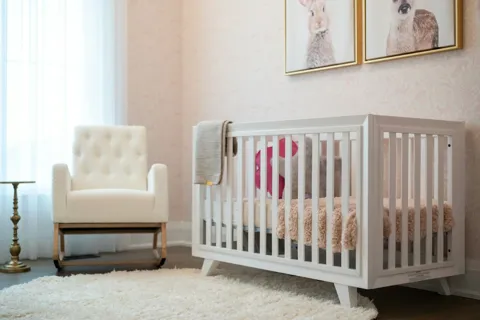
Can my Frenchie live with a baby?
A Frenchie and a baby may share a home, but safety depends on careful management, preparation and active adult supervision. Breed or previous gentleness cannot guarantee safety.
Read the answer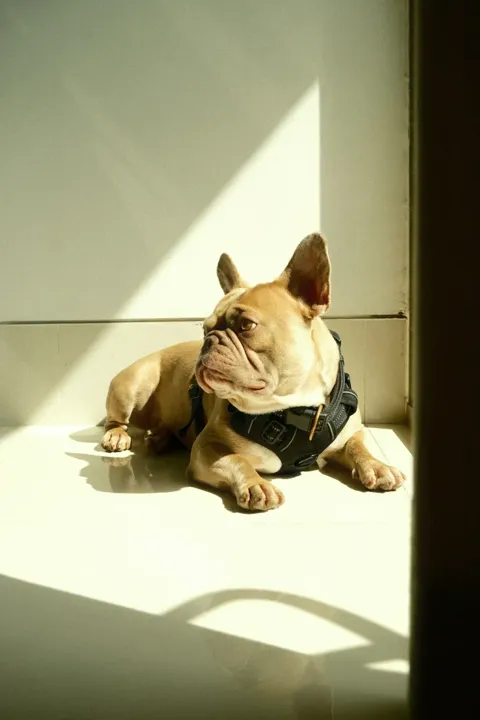
How do I measure my Frenchie for a harness?
Measure your dog for the exact harness model you are considering. Chest circumference is commonly needed; follow that model’s instructions for any neck or other measurements.
Read the answer
What should I prepare before bringing a Frenchie home?
Prepare a safe space, familiar food, basic equipment and a care plan before collection. Arrange veterinary support and time to help your dog settle.
Read the answerShould I take my Frenchie on holiday?
Consider the actual trip: journey length, crowds, other dogs and daily activities. A holiday that suits you may be stressful for your dog. If their health or confidence makes travel difficult, familiar care at home may be kinder. Discuss medical needs with your vet before booking.
Read the answerCan my Frenchie travel by plane?
Do not assume flying is suitable. Dogs Trust advises against air travel for dogs and notes that many airlines restrict flat-faced breeds because of respiratory risks. Check the carrier’s current policy and discuss welfare and fitness with your vet before making arrangements.
Read the answerShould I change my Frenchie’s food on holiday?
Take their usual food and keep feeding times close to the home routine. A trip already introduces unfamiliar surroundings, so it helps to keep familiar parts of the day consistent. Check you have enough food for the stay rather than relying on finding it locally.
Read the answerHow do I get my Frenchie comfortable with the car?
Start with calm, rewarded time near the parked car. Progress to getting inside voluntarily, then brief experiences of the engine and movement. Use familiar bedding if helpful. Move at your dog’s pace instead of making the first lesson a long journey.
Read the answerCan I leave my Frenchie in the car while I shop?
No. Dogs Trust advises never leaving dogs unattended in cars, even briefly and at any time of year. Plan errands so your dog stays safely at home, or bring another adult who can stay with them outside the vehicle in suitable conditions.
Read the answerCan my Frenchie travel loose on the back seat?
Use a suitable, correctly fitted travel restraint or securely positioned carrier rather than allowing your dog to move freely. A loose dog can distract the driver and be injured. Introduce the restraint positively before a journey and follow its fitting instructions.
Read the answerCan my Frenchie put their head out of the car window?
Keep their head inside. PDSA warns that dogs can be struck by objects, injured by road debris or fall from an open window. Keep the vehicle ventilated while ensuring windows and your dog’s restraint prevent unsafe access outside.
Read the answerWhat should I do if my Frenchie gets car sick?
Speak to your vet, especially if sickness continues despite travelling without a recent meal. Introduce journeys gradually and allow time for digestion rather than feeding immediately before setting off. Your vet can assess whether treatment or a different travel plan is needed.
Read the answerShould I stop during a long drive with my Frenchie?
Yes. Plan opportunities to drink, toilet and stretch in a safe place. Keep the vehicle cool and check conditions where your dog actually travels; the rear can be warmer than the front seats. Adapt the journey to your dog rather than rushing to the destination.
Read the answerAre kennels the only holiday-care option for my Frenchie?
No. Options include care by suitable friends or family, professional pet sitting and home boarding. Think about your dog’s comfort with unfamiliar places and other animals. Some dogs find kennels stressful and may settle better with appropriate care in their own familiar home.
Read the answerShould I visit boarding accommodation before booking my Frenchie in?
Yes. PDSA recommends researching providers and visiting premises rather than relying only on websites. Ask your vet or trusted owners for recommendations, inspect the care arrangements and check the provider’s applicable local authority licence. Discuss your dog’s needs directly with the carer.
Read the answerDo I need vaccination records for my Frenchie’s boarding stay?
Ask the provider well ahead of the stay. Boarding establishments normally require evidence that vaccinations are up to date. Discuss the specific requirements and timing with your vet early, and take the updated record when dropping your dog off.
Read the answerCan my Frenchie have a digging area in the garden?
Yes. A designated area with suitable soil or dog-safe sand can provide an outlet for natural digging. Hide a toy or small food reward there and encourage your dog to explore it. Redirect them to that area rather than punishing digging elsewhere.
Read the answerCan my Frenchie use a paddling pool?
Some dogs enjoy shallow supervised paddling, while others prefer to stay dry. Make entry and exit easy, watch for tiredness and stop them biting the pool or equipment. Drain it afterwards. Paddling does not show that your Frenchie can swim out of their depth.
Read the answerAre all garden plants safe for my Frenchie?
No. Check each plant before giving your dog access, and consider your other pets too: suitability differs between species. Dogs Trust suggests options such as rosemary and calendula, but even plants considered dog-friendly can cause problems if eaten in large amounts.
Read the answerCan I use pesticides where my Frenchie plays?
Avoid exposing your dog to garden chemicals. PDSA recommends considering natural pest control and warns that pesticides can harm pets and wildlife. If a product is used, follow its instructions and keep animals away for the required period. Store all products securely.
Read the answerShould I remove dog poo from my Frenchie’s garden?
Yes. Clear it up rather than leaving it in the play or toilet area. PDSA notes that faeces left in the garden can create health risks for people and other animals. Wash your hands after clearing waste and after gardening.
Read the answerCan my Frenchie dig around spring bulbs?
Keep them away from bulbs and plants that may be poisonous. PDSA lists common hazards including daffodils and tulips. Check planting choices before allowing access and prevent digging where unsafe plants or bulbs are present. If something may have been eaten, call your vet.
Read the answerWill another dog automatically keep my Frenchie happy?
Not necessarily. Dogs have individual social preferences, and some prefer their own space. Consider both animals’ needs before adding another dog. Plan gradual introductions and separate resources rather than assuming that the same breed or similar size will guarantee a good relationship.
Read the answerCan I leave my Frenchie alone with a new puppy?
Separate them when you cannot supervise while they are getting to know one another. Dogs Trust recommends overseeing interactions during the early days and weeks, giving both dogs breaks and providing their own food, water, toys and activities in separate spaces.
Read the answerWhat if my Frenchie growls at a new puppy?
Treat it as a request for space. Calmly move the puppy away and give each dog a break in their own area. Do not make them continue interacting. If there is injury, seek veterinary attention; get professional guidance before another introduction if safety is uncertain.
Read the answerShould I dry my Frenchie after a wet walk?
Yes. Dry wet or muddy areas and provide a comfortable resting place away from draughts. Check between the toes after snowy outings, where compacted snow can become uncomfortable. Make drying a calm routine and handle sore areas gently rather than forcing an inspection.
Read the answerCan my Frenchie stay active indoors during cold weather?
Yes. Offer suitable toys and gentle indoor activities if your dog is reluctant to venture into the cold. Do not force them outside for a long outing. Adjust their routine to keep them occupied while respecting their comfort.
Read the answerShould I clean my Frenchie’s paws after gritted pavements?
Yes. Salt and grit can lodge between the toes, so check and clean paws after the walk, then dry them. This also gives you a chance to spot soreness. Keep the process gentle, particularly if your dog is uncomfortable with foot handling.
Read the answerDoes my Frenchie need a winter coat?
Some short-haired dogs need extra warmth. Choose a comfortable coat and introduce it gradually with rewards.
Read the answerHow can I make my Frenchie visible on dark walks?
Try suitable reflective or light-up equipment. Introduce it gently and make yourself visible too.
Read the answerCan my Frenchie walk through snow off the lead?
Use a lead: snow can hide holes and unsafe ground. Choose a safer route in poor conditions.
Read the answerCan I skip my Frenchie’s walk on a very hot day?
Yes. PDSA advises that missing a walk can be safer when weather is very hot or humid. Choose suitable quiet indoor activities instead. Early or late outings may be cooler, but assess actual conditions rather than assuming a particular time makes exercise safe.
Read the answerIs an evening walk always safe for my Frenchie in summer?
No. Evenings may be cooler, but heat and humidity can persist. Assess the conditions and your dog before setting off. If you are unsure, stay home and offer appropriate indoor activities. Do not extend a walk simply because it is later in the day.
Read the answerShould I take water on my Frenchie’s summer walk?
Yes. Carry fresh drinking water and offer opportunities to drink, while choosing shade and suitable conditions. Water is part of preparation, not protection against every heat risk. If the weather is too hot or humid, reconsider the walk rather than relying on extra water.
Read the answerShould I keep my Frenchie on a lead near livestock?
Yes. Keep control and prevent approaching or chasing farm animals and wildlife. Stick to the appropriate route and follow signs. Even a friendly dog can frighten animals, so do not use apparent calmness or a previously reliable recall as a reason to allow close contact.
Read the answerShould my Frenchie greet every dog we pass?
No. Ask the other owner first and respect a refusal. Some dogs are frightened or uncomfortable around unfamiliar dogs, even if yours is friendly. Move past calmly and provide space if either dog appears worried rather than insisting on a greeting.
Read the answerWhat should I check after a countryside walk with my Frenchie?
Check for ticks and look over your dog after the outing. PDSA advises keeping parasite protection appropriate and checking for ticks after countryside walks. If you find one and do not know the correct removal technique, ask your vet for help.
Read the answerDoes my Frenchie puppy have to meet every dog to socialise?
No. Learning to pass dogs calmly is useful too. Choose calm, friendly dogs for short positive meetings and allow breaks. Socialisation is about feeling comfortable with experiences, not collecting as many greetings as possible or forcing contact with unfamiliar dogs.
Read the answerShould I force my nervous Frenchie puppy to say hello?
No. Let your puppy build confidence at their own pace. Keep exposure brief and positive, and increase distance if needed. If a strong reaction persists or they do not recover readily, seek qualified support rather than repeatedly putting them into the same difficult situation.
Read the answerCan puppy play become too much for my Frenchie?
Yes. Watch both dogs and interrupt for breaks if one becomes worried or overwhelmed. A confident puppy may miss an older dog’s signals, so active supervision matters. Short positive interactions are preferable to prolonged play that either dog finds difficult.
Read the answerCan my Frenchie use a snuffle mat?
A suitable snuffle mat can offer a supervised food-search activity. Choose one that fits your dog’s ability and watch how they use it; remove it if they chew or swallow the material. Use part of their normal food allowance rather than adding unlimited treats.
Read the answerShould I rotate my Frenchie’s toys?
Rotating toys can help keep them interesting. Offer a small selection, notice what your dog actually enjoys and swap some items periodically. Supervise soft toys and remove loose parts before they are swallowed. Trade for a reward if you need to take a damaged item away.
Read the answerWhat if a puzzle toy frustrates my Frenchie?
Make it easier or try a different activity. Enrichment should suit the individual dog’s preferences, health and abilities. Watch their response rather than assuming a harder puzzle is better. An easy food search or favourite toy may be more useful than an activity they cannot solve.
Read the answerCan my Frenchie live with a cat?
Possibly, but compatibility depends on the individual animals, their experiences and the home setup. Introduce them gradually, give the cat escape routes and high resting places, and prevent chasing. Use secure separation when you cannot supervise instead of assuming they will become friends.
Read the answerShould my Frenchie share a food area with the cat?
Feed them separately and keep cat food somewhere your dog cannot reach. Each animal needs secure access to food, water and rest without being followed or challenged. Separate resources can reduce competition and help both animals relax in a shared household.
Read the answerShould I let my Frenchie chase the cat as a game?
No. Prevent chasing and calmly separate them if your dog fixates, follows or pursues the cat. Use barriers and supervised lead management while working on calm behaviour. The cat should be able to move away safely; a dog enjoying the chase does not make it mutual play.
Read the answerCan scent swapping help introduce my Frenchie to a cat?
Swapping bedding can let each animal encounter the other’s scent without a direct meeting. Keep the animals comfortably separated at first and allow them to settle. Treat scent swapping as one stage in a gradual introduction, rather than proof they are ready to share space.
Read the answerShould I use a baby gate when my Frenchie first meets a cat?
A secure barrier can help manage the meeting while your dog is on a lead and the cat has space to choose their distance. Keep the session calm, watch both animals and finish before either becomes distressed. Initial contact should be carefully controlled.
Read the answerHow quickly should my new Frenchie meet our resident cat?
Avoid rushing. Let your dog settle and start with separate areas and scent familiarity before controlled meetings. Progress depends on both animals staying comfortable, not a fixed deadline. Another adult can help observe the cat while you manage your dog.
Read the answerDoes my Frenchie need mental activity as well as walks?
Yes. Suitable food puzzles, scent searches, toy play and reward-based training provide opportunities to use their mind. Choose activities around your dog’s preferences and abilities. Physical activity alone is not the whole routine, and more intense exercise is not always the answer to restlessness.
Read the answerShould my Frenchie always have access to drinking water?
Yes. Provide fresh, clean drinking water at home and make it available during outings too. This matters throughout the year, not only in summer. Check bowls regularly and plan ahead so a long outing does not mean a long gap without a drink.
Read the answerDo all Frenchies enjoy the same activities?
No. Get to know your own dog rather than treating breed descriptions as instructions. Some dogs enjoy company and toy play; others prefer quiet exploration. Build the routine around what they find comfortable and rewarding while meeting their needs for rest, exercise and mental activity.
Read the answerWhat should I look for when visiting Frenchie puppies?
Look for a clean home environment, the mother with her puppies and puppies that appear healthy, curious and comfortable. Ask questions about their care and background. Do not let excitement or pressure stop you checking carefully; you can leave without committing to a purchase.
Read the answerShould I consider adopting an adult Frenchie instead of buying a puppy?
An adult rescue dog may be worth considering alongside a puppy. Discuss your lifestyle and the individual dog’s needs with the rehoming organisation, rather than choosing by appearance. Ask about available medical and behavioural information and the support offered after adoption.
Read the answer