 All questions /03 / Behaviour & Training
Behaviour & Training
Sleep, alone time and the behaviours that leave you asking why.
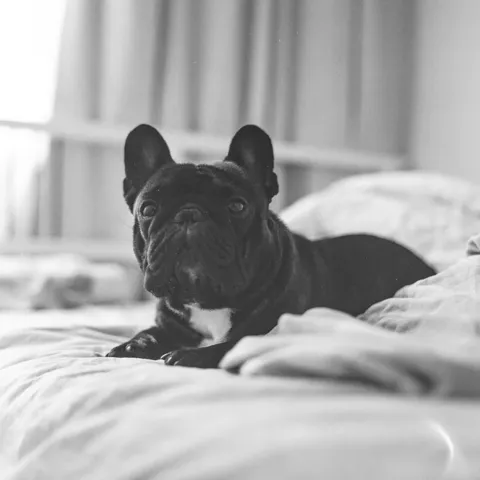
Can my Frenchie be left alone?
Many dogs can learn to feel comfortable alone for short periods. How long is appropriate depends on the individual, their age, health and training.
Read the answer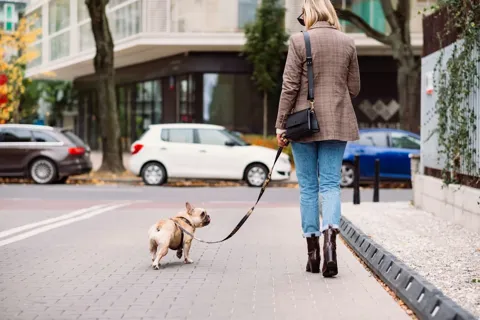
Why does my Frenchie follow me everywhere?
Dogs often follow people for company, attention or something they want. Following can also reflect uncertainty or anxiety, particularly if it is new or intense.
Read the answer
Why does my Frenchie lick their paws?
Paw licking can have several causes, including itchy skin, parasites, pain, stress or boredom. Persistent licking needs a vet check, not a guessed diagnosis.
Read the answer
How much do Frenchies sleep?
Sleep needs vary. PDSA suggests many dogs need around 14–16 hours or more across 24 hours, with puppies, older dogs and unwell dogs often needing more.
Read the answerHow do I start recall training with my Frenchie?
Begin in a quiet, enclosed space. Get your dog’s attention, use one agreed recall cue and reward them when they reach you. Practise easy returns before adding distance or distractions. Everyone at home should use the same cue.
Read the answerWhy does my Frenchie ignore recall outside?
Other dogs, wildlife and smells may be more rewarding than returning, or the cue may not yet be understood in that setting. Practise at an easier level and reward returns well. Use a secure area or a long line attached to a harness while learning.
Read the answerShould I tell my Frenchie off for coming back slowly?
Make returning to you worthwhile, even when it took longer than you wanted. Punishing a return can undermine the positive association you need. Reduce distractions for the next practice and avoid calling repeatedly when your dog is unlikely to respond.
Read the answerCan I use a long line to train my Frenchie?
A long training line attached to a properly fitted harness can allow recall practice without giving complete freedom. Choose a quiet space, watch for people and dogs, and manage the line carefully. It does not make roads or other hazardous places suitable for training.
Read the answerWhy does my Frenchie pull on the lead?
Pulling can become a habit because it gets a dog to the smells or places they want. Moving forward while the lead is tight can reinforce that pattern. Practise rewarding your dog near your side in a quiet place before expecting the skill on busy walks.
Read the answerHow do I begin loose-lead training?
Start at home or in a secure garden. Reward your Frenchie for standing beside you, then for moving with you. Introduce the lead gradually and build towards short, calm walks. Use comfortable equipment and practise where distractions are manageable.
Read the answerShould I jerk my Frenchie’s lead to stop pulling?
No. Choose comfortable equipment and teach the behaviour you want using rewards. Equipment or corrections that cause discomfort can be unpleasant and confusing. If pulling is difficult to manage safely, get help from a reward-based trainer rather than escalating force.
Read the answerHow do I teach my Frenchie to leave something alone?
Practise with a safe, uninteresting item and a separate reward. Mark and reward your dog for looking away from the item. Add the cue once that response is reliable, then increase difficulty gradually. Keep genuinely dangerous items out of reach instead of using them as training props.
Read the answerHow do I teach my Frenchie to drop a toy?
Start with a safe toy your dog enjoys. Offer a better reward to the side and praise them for releasing it. Let them play again so giving it up does not always end the fun. Add a consistent drop cue once the exchange is familiar.
Read the answerShould I chase my Frenchie when they steal a sock?
Avoid turning recovery into a chase or grabbing contest. Prevent access to tempting items and practise calm exchanges with safe toys. If your dog guards the item, give space and seek help rather than attempting a confrontation. Contact your vet if something has been swallowed.
Read the answerDo I have to use treats for every training reward?
No. Rewards can include a favourite game, praise or attention, depending on what your dog enjoys at that moment. Food can be especially useful for calm skills. Notice which reward actually matters to your Frenchie instead of assuming every dog values the same thing.
Read the answerCan attention accidentally reward my Frenchie’s behaviour?
Yes. Looking at, touching or talking to your dog can be rewarding, including when you are trying to stop an unwanted habit. Give attention for choices you want repeated, such as settling or greeting calmly, while also meeting their needs for company and activity.
Read the answerCan I clicker-train my Frenchie?
Yes. A clicker can provide a clear marker that your dog has done the right thing and a reward is coming. It works within positive, consistent training; it is not a command or a correction. Reward the marked behaviour and keep your timing clear.
Read the answerWhat if my Frenchie loses interest during training?
Check whether the reward is meaningful and whether the task is too difficult. End or simplify the session if your dog becomes frustrated, and return when they are ready. Repetition helps, but pushing through disengagement is less useful than an easier, successful practice.
Read the answerHow do I teach my Frenchie to go to their bed?
Reward your dog for approaching their bed, then gradually for placing more paws on it. Build towards lying down comfortably and staying briefly. Add an agreed cue and a release word. Increase duration and your distance slowly, returning to an easier step if they struggle.
Read the answerHow do I teach my Frenchie to stay?
Begin somewhere quiet. Reward a comfortable sit or down, then introduce a very short pause before rewarding again. Build duration gradually and add your stay cue consistently. Give breaks between attempts rather than immediately asking for a long stay at a distance.
Read the answerWhy does my Frenchie get up when I practise stay?
The combination of time, distance and distractions may be too difficult. Return to a short stay with you nearby, reward success, then increase the challenge gradually. A stay is learned through practice; repeatedly asking for more than your dog can manage will not explain the task.
Read the answerHow do I help my Frenchie settle on a blanket?
Choose a quiet place and reward relaxed behaviour around their blanket. Some dogs need early rewards simply for standing quietly or looking away from distractions. Build the gaps between rewards gradually as they become comfortable. The aim is genuine relaxation, not holding a tense position.
Read the answerWhy can my Frenchie settle at home but not in a café?
A busy environment adds smells, movement and people to a skill first learned somewhere quiet. Practise in easier locations and add distractions gradually. Increase distance or leave if your dog cannot relax. Do not expect the home version of the skill to transfer immediately.
Read the answerHow do I stop my Frenchie jumping up to greet me?
Give attention while all four paws are on the floor, ideally before they jump. Keep your response calm and offer an alternative activity. Avoid pushing them down or waving your hands, which may add excitement. Ask everyone at home to follow the same greeting routine.
Read the answerHow can I stop my Frenchie jumping at visitors?
Manage arrivals with a door or gate while guests settle. If a greeting is appropriate, reward paws on the floor and ask visitors to do the same. Do not force contact. Use a lead where needed for safety, and give your dog space if they seem worried.
Read the answerWhy does my Frenchie still jump when only some people allow it?
Inconsistent responses can keep the habit going: sometimes jumping still earns attention. Agree one approach with family and visitors and reward calm greetings consistently. Jumping can also reflect worry or frustration, so consider the situation rather than treating every jump as excitement.
Read the answerCan I teach my Frenchie a calmer doorbell routine?
Yes. First teach a comfortable go-to-bed response without a visitor. Once reliable, practise a quiet knock or bell and reward your dog on their bed. Build slowly before involving real arrivals. Keep a secure barrier available so training is not your only protection against door escapes.
Read the answerWhat should I do if my Frenchie growls at visitors?
Prevent direct contact and keep your dog away from the front door. Use secure separation and avoid visits that trigger the behaviour while arranging help. Ask your vet about health factors and referral to a qualified behaviourist. Do not ask guests to confront or discipline the dog.
Read the answerWhy does my Frenchie growl near their food bowl?
They may be worried about losing access to something valuable. Give them a quiet place to eat with people and animals kept away. Avoid taking the bowl or testing their tolerance. Arrange a vet check and behaviour support rather than trying to establish who is in charge.
Read the answerShould I take my Frenchie’s food away to prevent guarding?
No. Repeatedly removing something valued can make your approach feel threatening. Allow undisturbed meals and prevent children or pets approaching. If guarding has appeared, get a vet check and tailored behaviour advice; an established problem needs more care than a generic prevention exercise.
Read the answerCan a Frenchie guard a sofa or bed?
Yes. Guarding can involve a resting place as well as food or toys. Avoid reaching in, dragging your dog away or confronting them. Manage access and give space while arranging professional guidance. A vet check matters, especially if the behaviour is new or handling seems uncomfortable.
Read the answerWill my Frenchie grow out of resource guarding?
Do not rely on age to solve it. Guarding concerns safety and how your dog feels about losing a valued thing. Prevent access to likely triggers, allow space around possessions and seek a vet check and qualified behaviour support. Avoid repeatedly testing whether the problem is still there.
Read the answerWhy has my Frenchie suddenly started growling?
A new growl is information, not a reason to punish. Stop the interaction, give space and consider what changed. Pain or another health issue may affect behaviour, so arrange a vet check. For threatening behaviour or bite risk, use secure separation and seek qualified behaviour advice.
Read the answerShould I punish my Frenchie for warning me with a growl?
No. Ignoring or suppressing warning signals can make a situation less predictable. Give your dog space and prevent a repeat of the trigger while seeking help. Learn their earlier body-language signs and speak to your vet about pain, health and referral for concerning aggression.
Read the answerWhy does my Frenchie bark at the window?
First identify what they are reacting to: passing people, animals or other events may trigger barking. Change the setup so they are not repeatedly practising that response, and teach an alternative away from the window. Ask your vet or behaviourist if barking is new, intense or difficult to manage.
Read the answerWill shouting quiet help my Frenchie stop barking?
Telling a dog off may add attention without addressing why they are barking. Work out the trigger and change the situation where possible. Reward a useful alternative and calm moments. Barking is communication; the goal is to reduce the cause and disruption, not eliminate every bark.
Read the answerShould I use an anti-bark collar on my Frenchie?
Choose support that addresses the reason for barking rather than applying an unpleasant consequence. Identify triggers, reduce exposure and teach alternatives with rewards. Consult your vet and an accredited behaviour professional if the problem persists; a device does not explain whether your dog is frightened or uncomfortable.
Read the answerWhat should I record in a barking diary?
Note when barking happens, what occurs just before it, where your dog is and how you respond. Patterns can help you and a professional identify triggers and useful changes. Include any recent health or routine changes, and arrange a vet check for a sudden increase.
Read the answerWhy does my Frenchie puppy bite my hands during play?
Puppies explore and play with their mouths, but they need help learning appropriate interactions. Offer a suitable toy before play becomes mouthy, praise toy play and keep hands out of wrestling games. Pause calmly when teeth contact you, and provide rest between activities.
Read the answerWhat should I do when my Frenchie grabs my clothing?
Keep your response calm rather than pulling the clothing into a tug game. Redirect towards an appropriate toy and prevent repeat situations where possible. If you cannot manage the behaviour safely or it is becoming more intense, ask a qualified trainer or behaviourist for tailored help.
Read the answerCan rough hand play encourage my Frenchie to mouth people?
Yes. Using hands or feet as toys gives a confusing message about where teeth belong. Use suitable toys for play and agree consistent rules across the household. Reward your puppy for choosing toys or bringing one to you instead of seeking attention with their mouth.
Read the answerWhy has my adult Frenchie started nipping?
New or increasing mouthing needs a vet check, particularly if it happens during handling or in previously comfortable situations. Do not assume it is puppy play or deliberate defiance. Avoid known triggers, protect people with safe separation and seek behaviour support while the cause is assessed.
Read the answerWhy is my Frenchie chewing furniture?
Chewing can reflect normal exploration, teething, boredom, distress or pain. Prevent access to vulnerable items and provide suitable supervised chewing options. Review activity, rest and enrichment. Arrange a vet check for new destructive behaviour rather than assuming your dog is being naughty.
Read the answerWhy does my Frenchie scratch their bed before lying down?
Brief scratching or digging can be nesting behaviour as a dog adjusts their resting spot. If they then settle comfortably and nothing else has changed, it may not be a concern. Persistent restlessness, inability to settle or a new pattern deserves a vet check.
Read the answerHow can I redirect my Frenchie’s garden digging?
Dogs need outlets for natural behaviour. Protect areas you need kept intact and offer a suitable digging space or other enrichment while supervising. Avoid punishment after discovering a hole. If digging changes suddenly or seems distressed, ask your vet about physical or emotional causes.
Read the answerWhen should I take my Frenchie puppy outside to toilet?
Offer frequent opportunities, especially after waking, eating, drinking, play and excitement. Stay close enough to reward them promptly for toileting in the chosen place. Watch for circling, ground-sniffing and squatting, and calmly provide another chance outside when you spot those signs.
Read the answerShould I tell my Frenchie off for a toilet accident?
No. If you find an accident, clean it without punishment. Anger can make a dog anxious about toileting around you and encourage hidden accidents. Give more appropriate outdoor opportunities and reward success. A previously trained dog with new accidents should be checked by a vet.
Read the answerWhy is my toilet-trained Frenchie having accidents again?
Changes in health, stress, routine or access outdoors may contribute. Arrange a vet check for new accidents rather than assuming the training has been forgotten. Meanwhile, offer more calm toilet opportunities and reward going outside. Note the timing and any other changes to discuss at the appointment.
Read the answerWhat cleaner should I use after my Frenchie wees indoors?
An enzymatic cleaner designed for pet urine helps break down the scent that can draw a dog back to the same spot. Follow its instructions and keep your dog away while cleaning. Choose a pet-safe product; cleaning supports toilet training but does not replace outdoor opportunities.
Read the answerWhy does my Frenchie poo indoors just after going outside?
They may have been distracted or not finished. Give them longer, calm opportunities and notice which locations or surfaces they prefer. Reward outdoor toileting promptly. Persistent incidents or a sudden change can also involve health issues, so contact your vet rather than endlessly extending training.
Read the answerDoes my Frenchie need a daily routine?
A predictable pattern can help you make room for meals, toilet trips, activity, company and rest. It does not need to mean every event happens at an exact minute. Build a realistic routine around your dog’s needs, including opportunities for safe independent activity while you are nearby.
Read the answerShould I keep playing to tire out an overexcited Frenchie?
More excitement is not always what they need. Check food, toilet, suitable exercise and enrichment needs, then allow a calm transition and peaceful rest. Sniffing or a suitable supervised chew may suit better than another fast game. New persistent restlessness should be discussed with your vet.
Read the answerWhy does my Frenchie lunge at other dogs on the lead?
Reactions can involve fear, frustration or being overwhelmed; lunging alone cannot identify the cause. Avoid forcing close greetings and create enough distance for your dog to cope. Ask your vet and a qualified behaviourist for an individual plan, especially if aggression or redirected biting is possible.
Read the answerHow do I find a suitable trainer for my Frenchie?
Look for an appropriately accredited, reward-based trainer; the Animal Behaviour and Training Council maintains a practitioner register. For a concerning change, fear or aggression, start with your vet, who can check health and refer to a clinical behaviourist when needed. Ask how the professional would handle your specific issue.
Read the answer